
TL;DR
In short: yes, aerosol manufacturing can be profitable — but the margin is rarely decided at the factory gate. It is decided by freight class, repeat purchase, and how many SKUs you launch at once. The unit price on the quote is the smallest of the three levers.
- Where the money goes: formula and filling take the largest share of landed cost, but freight handling and channel costs are where unpriced programmes quietly bleed.
- Route matters: a 5,000 pcs stock-formula trial and a 20,000 pcs private label run do not earn margin the same way. Pick the route before you pick the factory.
- Honest caveat: nobody can promise you a margin on a first call — not us, not anyone. What a good manufacturer can do is hand you the cost structure early enough to do the math yourself.
The question shows up in our inbox in different costumes. Sometimes it is direct — is aerosol manufacturing profitable? Sometimes it hides inside a request for a sharper unit price, or a smaller first quantity. Behind all of them is the same worry: a buyer is about to commit five figures to cans and wants to know whether the spreadsheet closes.
This article is the answer we give on calls, written down once. It will not hand you a guaranteed margin — nobody honest can. What it does is walk the cost stack the way we walk it with buyers before a programme starts, so you can see where the money actually goes and which of those blocks you control.
Where the money actually goes
Buyers tend to negotiate the one number on the quote they can see — the unit price — and treat everything else as fate. In practice the landed cost of a private label aerosol splits into blocks, and two of the biggest ones have nothing to do with the factory:
| Cost block | Typical share of landed cost | What moves it |
|---|---|---|
| Formula, concentrate and filling | 40–55% | Stock formula vs custom; solvent strength; fill weight |
| Can, valve, actuator, packing | 15–25% | Tinplate vs aluminium; 1–6 color print; carton spec |
| Sea freight and dangerous goods handling | 8–15% | Dangerous goods class, port pair, DG surcharges |
| Compliance and documentation | 2–5% | Test reports and certification pack, amortized over the run |
| Marketing and channel | 20–35% | Category, retail vs distributor, how hard the first year is |
Treat the shares as orientation, not a quote — a 100 ml air freshener and a 600 ml industrial degreaser do not split the same way. The pattern that does hold across categories: the factory-side blocks reward volume and discipline, while the freight and channel blocks punish improvisation. A buyer who shaves 5% off the unit price and then loses 10% at the port has worked hard to stand still.
Three routes, three margin profiles
The second thing that decides profitability happens before any quote: which route you enter through. The three doors into aerosol manufacturing carry different minimums and earn money differently.
| Route | MOQ | Sampling | Margin profile |
|---|---|---|---|
| Stock formula, your label | 5,000 pcs | 7–15 days | Thinnest differentiation, fastest cash cycle. A way to test a market, not to own one. |
| Private label OEM | 20,000 pcs | 7–15 days (modified stock) | The standard route. Margin comes from brand and distribution, not the formula. |
| Full custom (ODM) | 20,000 pcs | 15–30 days | Highest differentiation. Won by repeat purchase and loyalty, never by price. |
A 5,000 pcs stock trial and a 20,000 pcs private label run are different businesses wearing the same cans. The trial exists to answer market questions — does this category pull, does the retailer reorder — at the lowest possible risk. It is not designed to make you rich, and treating it as the profit model is how buyers end up disappointed with a perfectly good product.
A worked example: the 20,000 pcs run
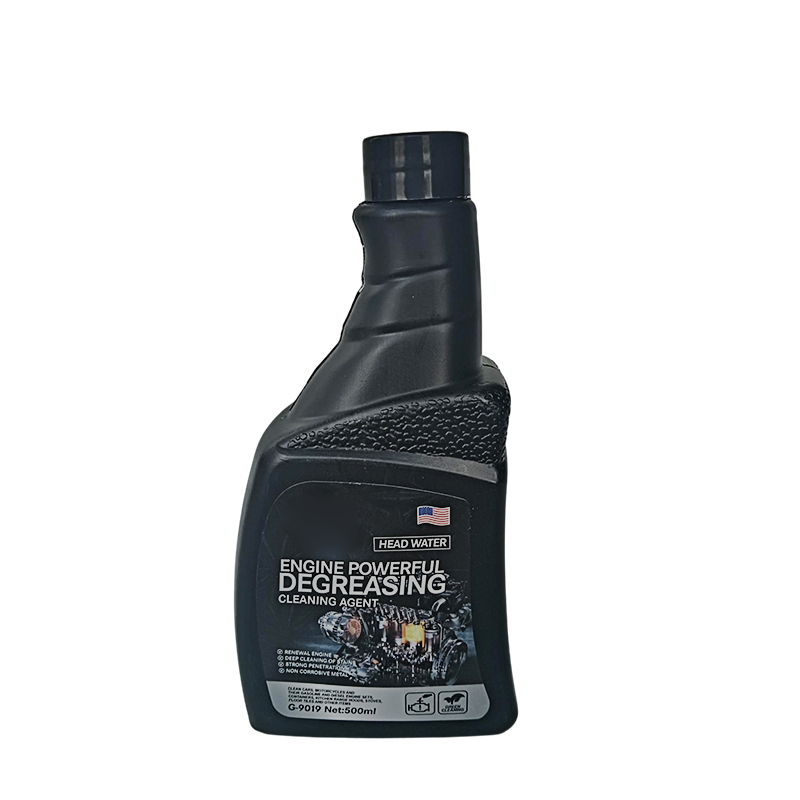
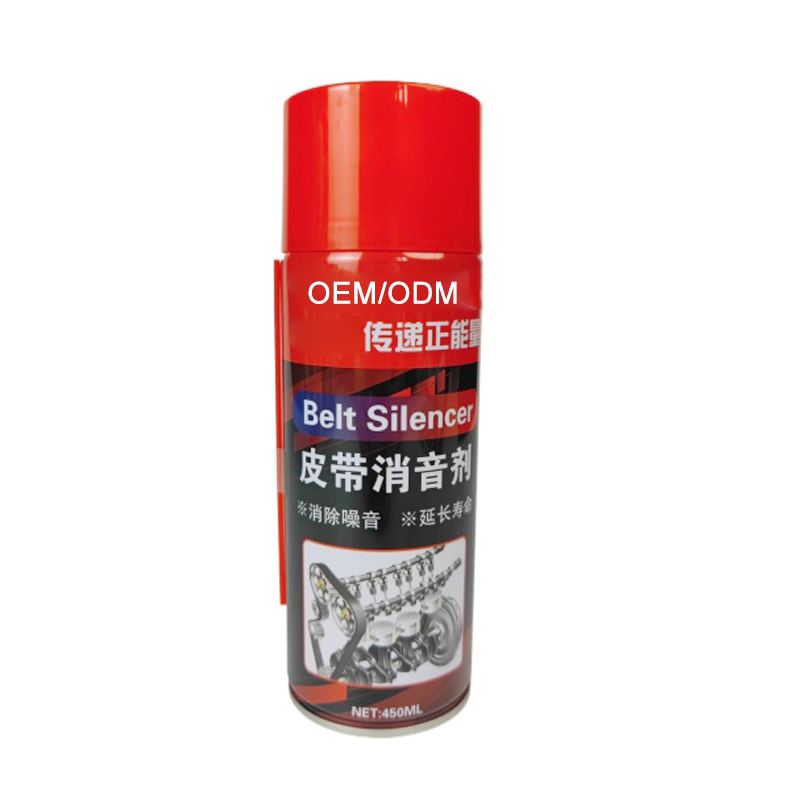
Take the most common programme we quote: a 450 ml automotive care aerosol, own artwork, sea freight to a Gulf port. We will not invent exact dollar figures here — they move with formula, market and season, and any number we printed would be stale within a quarter. What we can show is how the structure behaves.
At 20,000 pcs, the fixed costs — artwork, printing plates, documentation, the compliance pack — amortize down to cents per can. Spread the same fixed costs over a 5,000 pcs run and their per-can share roughly quadruples. That is not a factory being greedy; it is why the 20,000-piece minimum is built the way it is. Below the gate, you are paying craft prices for a production-line product.
The freight block behaves differently: it barely improves with volume. A container is a container whether it holds 20,000 cans or 25,000, and a Class 2.1 product pays dangerous goods handling regardless of how good the unit price was. This is the block buyers forget to model — and the one most likely to turn a workable quote into a thin one. The can size you pick decides how many of those containers you need, which makes it a margin decision, not just a packaging one.
The costs that quietly eat the margin
After enough programmes, the pattern of what kills aerosol margins is boringly consistent. None of it happens at the filling line.
SKU sprawl. Every artwork needs its own plate set, and every SKU splits the container volume that was supposed to amortize it. Four SKUs at 5,000 pcs each is not a 20,000 pcs programme; it is four small ones, each paying small-run prices. Buyers who launch one SKU deep and add breadth after the first reorder consistently land better than buyers who launch wide.
Documentation discovered late. A missing SDS correction or an unmarked limited-quantity carton does not just cost a fee — it costs demurrage while the container sits, and demurrage is billed at rates that make the unit price discussion look quaint. Buyers who treat certificates as part of the bill of materials clear customs on schedule; buyers who chase paperwork after the forwarder asks pay for the same cans twice.
Categories without repeat purchase. An aerosol that sells once per customer per year needs a very different margin than one that sells four times. Brake cleaner and carburetor cleaner live in workshops that reorder; a seasonal gift aerosol has to earn its whole year in ten weeks. Neither is wrong — but the second one needs the margin math done honestly before the first order, not after.
Air freight for a sea-freight product. Some blends simply cannot fly. A hexane-based formula is Class 1 and ships by sea only; choosing it while planning air logistics is choosing a cost problem. The blend, the flash point and the freight plan have to be decided together.
What we tell buyers who ask us directly
When a buyer asks us whether their aerosol programme will be profitable, we give them the cost structure on day one — the MOQ logic, the freight class implications, the documentation scope — and we tell them what we cannot do. We cannot promise a margin. Anyone who guarantees one on a first call is selling you something, and it is not cans.
What the record does show: buyers who model freight at quote stage, launch one SKU deep, pick a category with reordering behind it, and treat the first 5,000 pcs run as a market test rather than a profit event — those programmes tend to come back for a second container, and the second container is where the math starts working. The buyers who launched their first brand on that sequence and the buyers who skipped steps are easy to tell apart a year later.
For a fuller view of how the volume tiers price out, our walkthrough of bulk aerosol pricing and logistics covers the commercial side in detail.
So — is it profitable?
For a buyer who controls freight, keeps SKU count disciplined, and sells into a category with repeat purchase behind it: yes, a private label aerosol line is a workable business, and the factory gate price is rarely what decides it. For a buyer planning ten SKUs at launch with air freight and a clearance-channel exit strategy, the math rarely closes, and no manufacturer can fix that from the filling line.
The honest sequence is unglamorous: pick the route, run the cost stack including freight, launch narrow, and let the reorder tell you whether the category pays. If you want that cost stack built for your spec — product, market, destination port — send us the brief and we will put the numbers on the table, including the ones a sharper quote would hide.