TL;DR
In short: pick the formula route first (stock from 5,000 pcs, custom from 20,000), decide the can before the label designer starts, and let the paperwork follow the batch. Every aerosol ships as Class 2.1 dangerous goods — plan for it from day one.
- Formula routes: stock formula samples in 7–15 days; modified stock for market-specific needs; full custom development samples in 15–30 days. Stock will not match a competitor exactly — custom will not be cheaper.
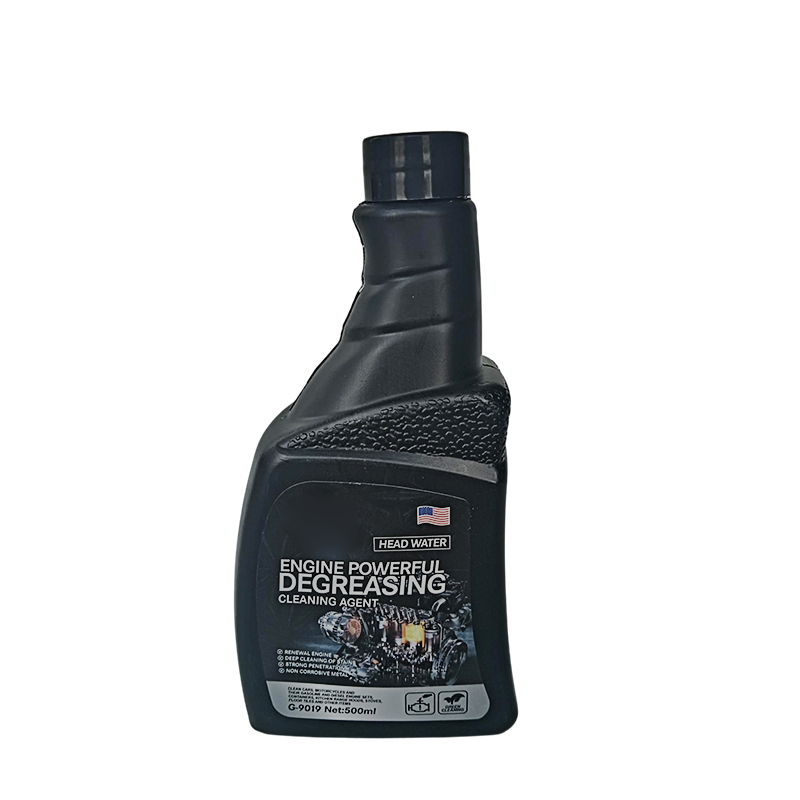
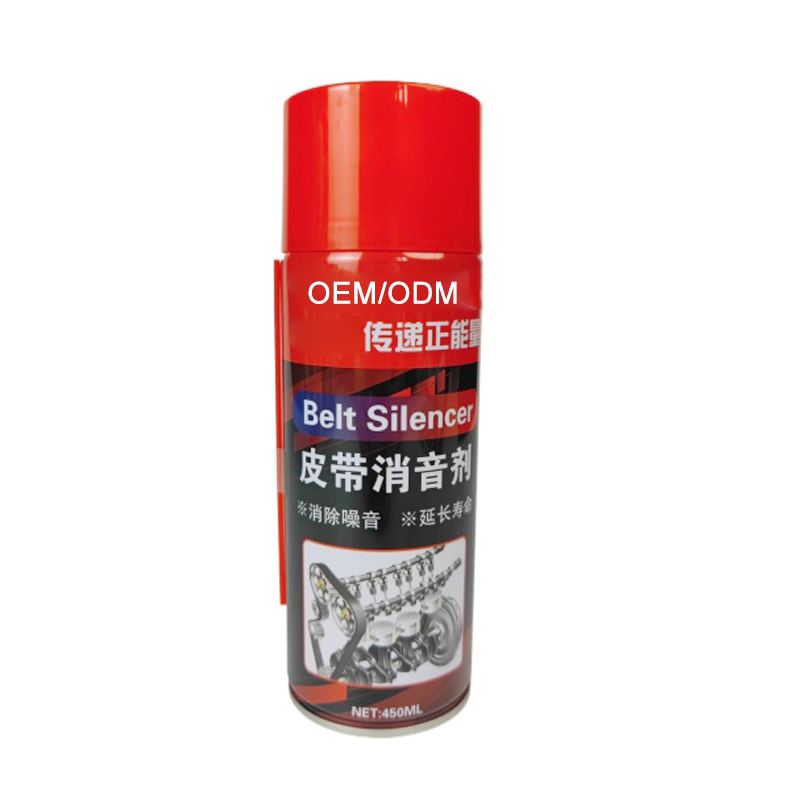
- The can: fills from 100 ml to 750 ml, tinplate or aluminum. There are no blank cans in stock — for tinplate the print goes onto the sheet before the can is formed, so every can already carries your artwork.
- The three numbers: MOQ 5,000 pcs (stock/private label) or 20,000 pcs (full OEM); sampling 7–15 or 15–30 days; production 15–20 days after sample approval.
- Timeline: roughly 4–7 weeks ex-factory on a stock-formula project, plus sea freight. Artwork revisions after sample approval break more schedules than any factory step.
- Paperwork: UN-certified packaging, SDS per formula, and destination-market certificates (REACH, SASO or local equivalents) — settle label claims at the sampling stage, not at the port.
- What planning does not fix: if your price point cannot cover a compliant formula plus dangerous-goods freight, no choice of route saves the project.
Most people arrive at an aerosol brand from the same direction: they already sell in a category, they know what a can does in their market, and they want their own label on it. What they usually do not have is a filling line, a can supplier, or anyone who has booked a dangerous-goods shipment before. None of those are reasons to stop. They are just the three things the plan has to cover.
This article walks the route from a blank spreadsheet to a pallet with your brand on it — which decision comes first, which numbers decide whether the project is real, and what the paperwork looks like when your product is classified as dangerous goods. No franchise fees, no secrets held back; the barriers here are MOQs, cure times and UN marks, and all three can be checked before you spend anything.
Start With the Liquid Decision, Not the Logo
The first decision is not the name and it is not the artwork. It is what comes out of the can.
There are three routes. The fastest one starts from a stock formula: the product already exists, it has been filled before, and your brand goes on it from 5,000 pcs per SKU. Sampling takes 7–15 days because there is nothing to develop — the lab only has to fill and confirm what is already on file. The second route takes a stock formula and modifies it: a different fragrance for your market, a stronger dilution, a variant for a local regulation. That is still not a development project, but it adds lab time. The third route is a custom formula, developed from your brief, with samples in 15–30 days.
Each route buys something and gives something up. A stock formula will not match a competitor's product exactly — if your whole business case depends on copying a specific scent or texture, stock is the wrong door. And before any of it, run the margin math: whether aerosol manufacturing is profitable depends more on freight and repeat purchase than on the unit price. A custom formula solves that, but it will not be cheaper or faster; what you are buying is the difference, and the 15–30 day sampling window is what the difference costs. Most brands that succeed on their first run pick route two: close enough to proven, different enough to argue about.
Pick the Can Before the Label Designer Starts
The can is not packaging you add at the end. It decides your cost per unit, your freight bill, and in some markets whether you can sell at all.
Size first. Under private label, fills run anywhere from 100 ml to 750 ml, and the choice is usually dictated by the category — a 300 ml air freshener and a 750 ml insecticide are different shelves, different price points, different freight. Then material: tinplate or aluminum, which changes the printing route and the look of the can. Then the valves and actuators, selected per project before production.
One constraint surprises people, so it is worth stating plainly. For a tinplate can, the print goes onto the flat sheet before the can is formed and welded — the lithography is done while the metal is still a sheet. Aluminum cans are printed after forming, but the tooling is still set up one design at a time. Either way there is no such thing as a shelf of blank cans waiting for your label: every can that comes off the line already carries your artwork. That sounds like a limitation. It is actually the reason private label works at 5,000 pcs — the can was always going to be yours.
The full can-making and filling sequence, including where printing sits in it, is laid out on our aerosol OEM manufacturer page.
The Three Numbers That Decide Feasibility
Almost every brand-start question eventually lands on three numbers.
MOQ. Ready stock and private label runs start from 5,000 pcs per SKU. A full OEM project — your formula, developed and filled — starts from 20,000 pcs. The gap is not arbitrary: a custom formula means a dedicated development run, and the line economics only work at the higher volume. If you want to see how these numbers are actually built, layer by layer, we have a separate MOQ explainer that walks through it.
Sampling time. 7–15 days for a standard formula, 15–30 days for a custom development. This is lab time, not courier time.
Production time. 15–20 days from confirmed order to goods ready — after the sample is approved, not before.
Run your own feasibility check with them. If your launch budget survives 5,000 pcs of stock formula, sampled in two weeks and produced in three, the project is real. If it does not, the honest answer is that the market entry needs a partner with lower volumes — and most aerosol lines will not offer one, because the changeover cost of a short run is the same as a full run.
Paperwork: What Has to Exist Before the Can Ships
An aerosol is a pressurized, flammable product, and the paperwork reflects that before any commercial documents are discussed.
The baseline: packaging certified to UN standards for aerosols, a Safety Data Sheet for the exact formula, and transport documents that match the classification. On top of that, destination markets add their own layer — REACH for Europe, SASO for Saudi Arabia, and equivalents elsewhere. Which ones apply is decided by where the goods land, and the claims printed on your can interact with them: a phrase that is fine on one market's label can be a compliance problem on another's. That is worth settling at the sampling stage, not at the port.
A factory that exports dangerous goods routinely does not assemble these documents per order — they exist because the shipments do. What a compliance file actually contains, and who issues which part, is covered in our chemical safety guide.
Shipping: When Your Product Becomes Class 2.1
The day your cans are packed, they change category in the eyes of every carrier: aerosols ship as Class 2.1 dangerous goods.
In practice this means the UN marks on the cartons have to match the packing group, the shipping declaration has to be filed correctly, and the forwarder has to actually handle dangerous goods — not every one does, and the ones who do not will discover this at the worst possible moment. It also means freight is priced differently from ordinary cartons, which is worth building into your unit economics from the start rather than discovering on the first invoice.
None of this is difficult when it is planned; it is expensive when it is improvised. We put together an IMDG shipping walkthrough that follows one shipment document by document.
A Timeline You Can Actually Plan Around
Stack the numbers up and a first project looks like this, on the conservative side:
- Week 0 — brief confirmed, can size and material decided
- Weeks 1–2 — stock-formula sample filled and couriered (custom development: 2–4 weeks instead)
- Week 3 — sample approved; artwork locked *(this is the step that usually breaks the schedule — artwork revisions after sample approval cost more time than any factory step)*
- Weeks 3–6 — production, 15–20 days
- Week 6+ — goods ex-factory; sea freight adds whatever your lane adds
So: roughly four to seven weeks from confirmed brief to goods leaving the factory on a stock-formula project, longer with a custom formula. We do not compress these stages by skipping the sample — every skipped sample we have seen came back as a claim.
FAQ: Starting an Aerosol Brand
Can I start with a stock formula and my own label?
Yes. Private label runs start from 5,000 pcs per SKU, with the can and label artwork carrying your brand from the first can.
Are samples free?
Stock-formula samples are free — you cover the courier. Custom development samples are quoted case by case, depending on what the lab has to build.
Do I need my own formula to start?
No. The stock formula library covers the main car care, household and industrial categories, and a modified stock version handles most market-specific needs. Niche ends of the range — a sewing machine lubricant spray or a sticker remover — usually start from that modified-stock route rather than ground-up development. Custom development is for when your market needs something the library does not have.
How long until my first shipment?
On a stock-formula project: 7–15 days sampling, then 15–20 days production after sample approval — call it four to seven weeks ex-factory, plus your sea freight time. A custom formula adds development time to the front.
What documents will I need for my market?
UN-certified packaging, an SDS for the exact formula, and the market-specific certificates — REACH, SASO or local equivalents. Confirm the list against your destination before production starts; the sample and document policy page covers the basics.
Where This Route Starts
Everything above reduces to one working habit: decide the liquid, pick the can, check the three numbers, then let the paperwork follow the batch instead of chasing it. You do not need a factory to do any of it — you need a partner whose line you can inspect, whose numbers hold up, and who answers for the documents.
Bring your market plan to our OEM/ODM team and the first step is the same one this article took: the numbers, checked before anything is spent.
When your brand outgrows the spare room, fire-code obligations kick in - see our guides to aerosol 3PL fulfillment and warehouse storage rules for aerosols.