
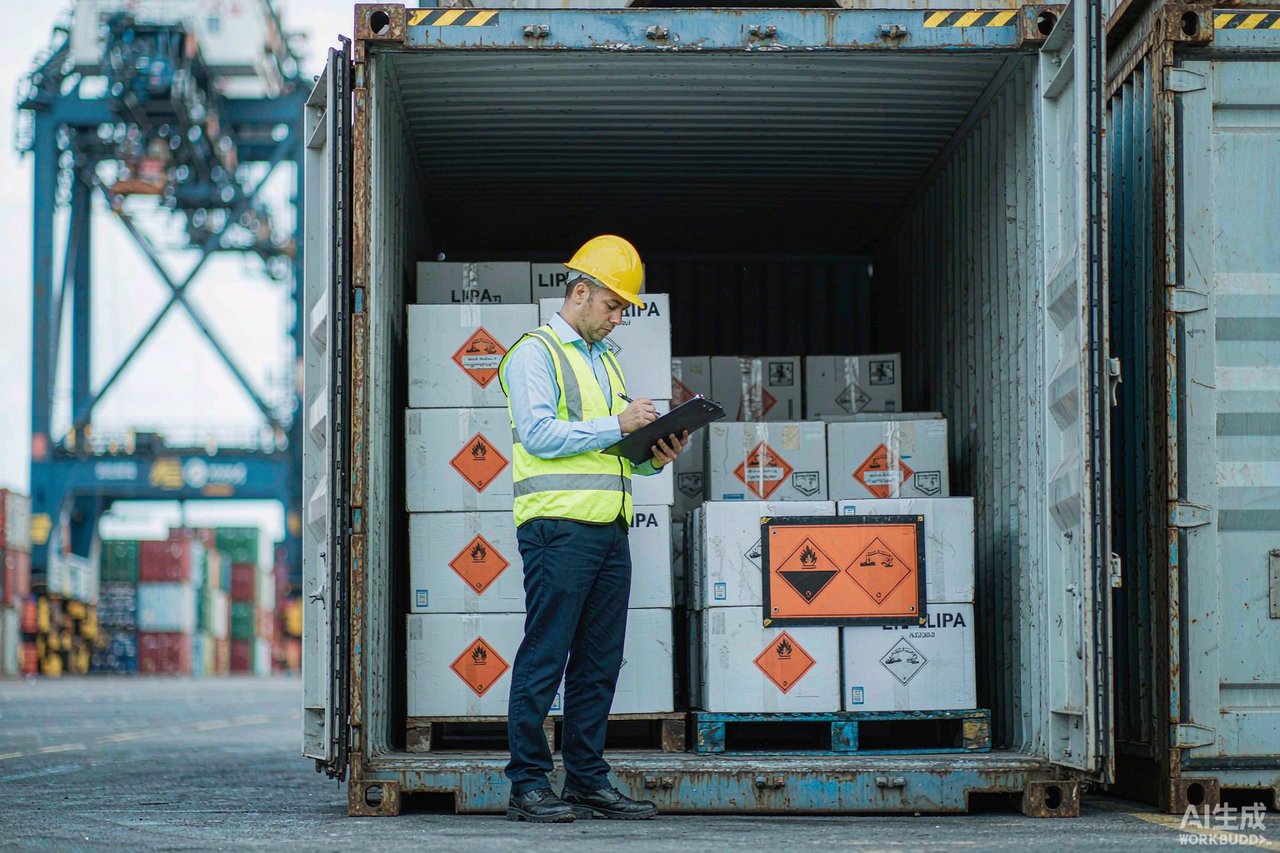
It is never the importer's fault — until it is. A pallet sits in Long Beach because the freight forwarder filed the wrong UN number. A buyer in Hamburg pays €4,800 in demurrage because a consignee thought "limited quantity" meant unlimited pallets. A shipment to Jeddah gets rejected because the MSDS PDF was missing one section.
Shipping aerosol cans is not exotic. It is paperwork, classification, and one or two small physical requirements. Once a buyer understands the moving parts, none of it is hard. This article walks through what an importer actually needs to know when shipping aerosols from China, using real IMDG rules as the reference.
Why Buyers (Not Just Factories) Need to Care
Freight forwarders and customs brokers are useful, but they classify hazardous goods based on the description you give them. If the exporter hands them a generic "spray product" MSDS, the broker may pick the safer category — and that one small choice can change the whole shipping plan. The buyer who can read the classification themselves is the one who catches the error before the container reaches the port.
The Two Classifications That Cover Most Aerosols
For consumer and industrial aerosols packed in cans under 1000 ml, the relevant IMDG classes are:
- UN 1950, Class 2.1 — flammable aerosol (propane, butane, isobutane, DME). Most car-care, household cleaner, and insecticide aerosols fall under this.
- UN 1950, Class 2.2 — non-flammable aerosol (compressed air, nitrogen, or 1,1,1,2-tetrafluoroethane). A smaller slice: industrial dusters, some cosmetics, most food-grade releases.
A few products fall under UN 2037 or UN 3150, but for an OEM line of car-care or household sprays, 2.1 is what you will see on every shipping document.
Three Ways to Ship: LQ, EQ, or Full DG
This is the part most importers find confusing, because the three options have nothing to do with the freight rate.
Limited Quantity (LQ)
IMDG allows aerosols under LQ rules when each inner packaging meets size and weight limits. In practice the outer carton is small enough that the carrier treats the shipment as a limited consignment. You skip the IMO dangerous goods declaration, but mark the cartons with the limited quantity diamond.
The upside: no DG surcharge, lower freight cost. The downside: a much smaller cargo per box. Below 1,000 cans, LQ is fine. Above that, the same 20ft container would need hundreds of small cartons, and palletizing becomes impossible.
Excepted Quantity (EQ)
Smaller still, used for samples and trade-show stock. Rare in real commerce.
Full Dangerous Goods (Full DG)
Anything beyond LQ thresholds is shipped as full DG: marked containers, IMO declaration, vessel-operator approval, segregation rules in the hold. For a 20ft container of consumer aerosols, full DG is usually cheaper per unit than LQ, even with the regulatory overhead.
The Documents Every Full-DG Shipment Needs
- MSDS (16-section, GHS-aligned). One per variant. The MSDS is the document most likely to be wrong or out of date.
- UN Performance Test Certificate. The specific can + valve combination must be tested under UN standards. Factories renew this every 12 months; ask to see the latest one.
- Dangerous Goods Declaration. Signed by the shipper. Verify it lists UN 1950 and 2.1 (or 2.2), not just "aerosol."
- Container Packing Certificate. Confirms the load was packed and secured under IMDG Chapter 7.
- Commercial Invoice + Packing List. Needed by the forwarder for the B/L.
If any one of these is missing or stale, the carrier can refuse loading. That is not a warning — that is a hard refusal at the gate.
Three Mistakes We See Every Season
- "Our forwarder said it isn't hazardous." Probably true for road or rail, where thresholds are looser. Sea freight is stricter. Ask which mode the comment applies to.
- "The same MSDS worked last year." Formulations change, suppliers change, carriers update accepted lists every quarter. Each shipment should travel with a current MSDS.
- "We packed more cans per carton to save space." IMDG inner-packaging limits are set by weight and dimension, not by packaging efficiency. Going over the limit voids the LQ exemption.
How Midwel Hands This Off
For OEM orders we ship with a complete document set every time — UN-tested packagings, 16-section MSDS per formulation, a DG declaration using our verified account, and a container-loading plan that already meets IMDG Chapter 7. Buyers usually don't have to touch the paperwork. The value is in being able to recognize when a document looks wrong so the question gets asked before the goods leave the port, not after.
For the labeling side of the same problem, the article on aerosol import regulations covers GHS pictograms and destination rules. The piece on OEM vs private label explains how the cost of compliance shows up in a private label quote.
Before You Approve a Booking
- Ask which UN number is being declared. The answer should not be "aerosol."
- Ask whether the MSDS is current (within 12 months).
- Ask if the can + valve combination has a current UN performance certificate.
- Ask for a sample packing certificate before signing the booking.
The buyers who ask these four questions before the first shipment usually ship every quarter without a single rewrite of the paperwork. The buyers who skip them learn the hard way the first time.


