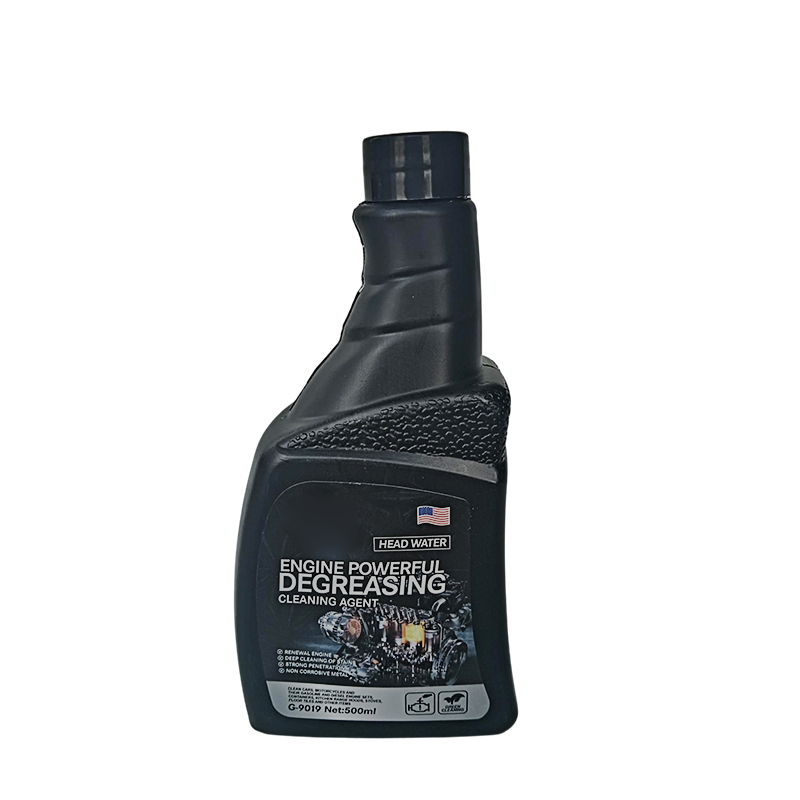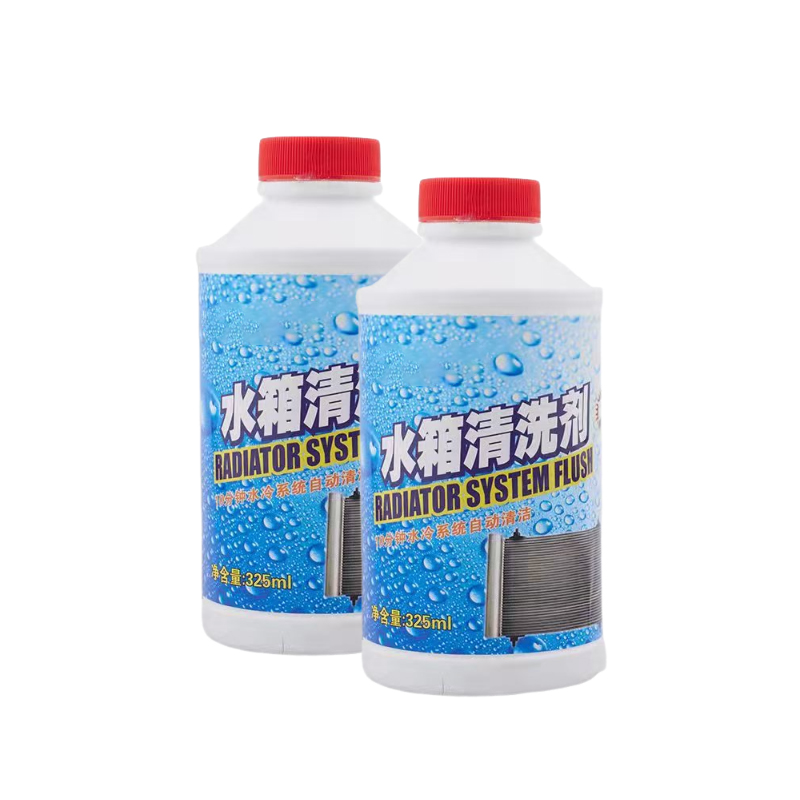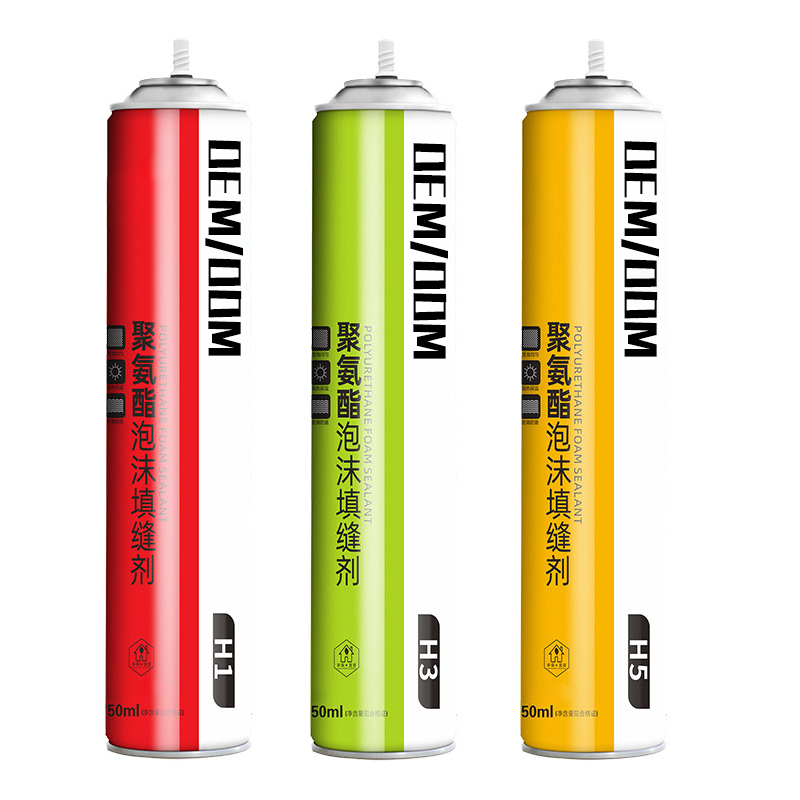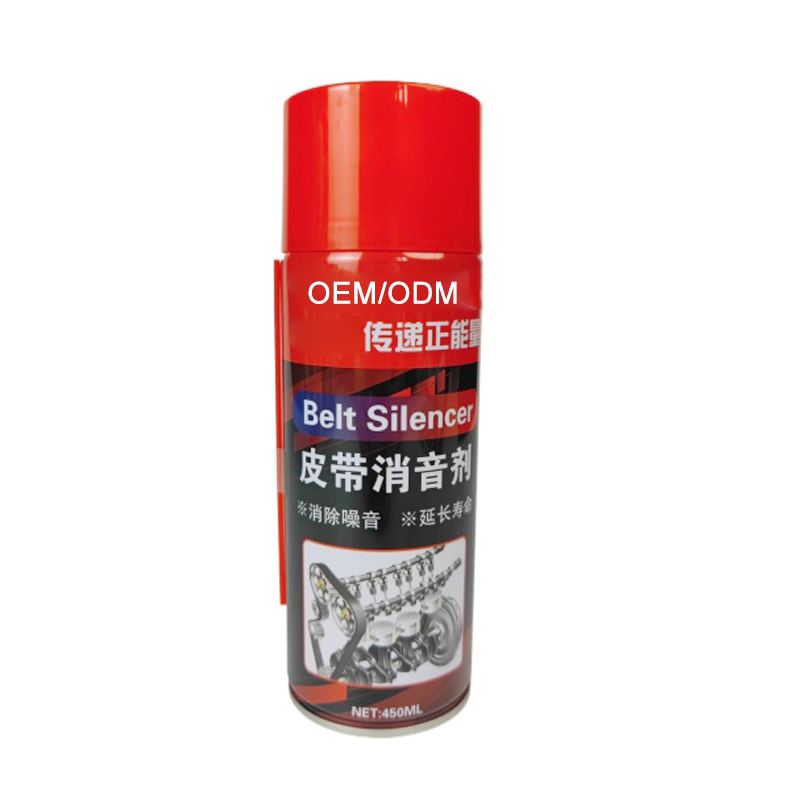

A buyer in Lagos ordered 42,000 cans of multi-purpose foam cleaner from a supplier who quoted 8% below everyone else. The cans arrived with full artwork, correct fill weight, decent spray pattern — and no UN packaging certification. His freight forwarder in Ningbo refused to book the vessel. Four weeks of delay, a re-testing fee of $2,800, and a rewritten inspection report later, the container finally sailed. The "saving" cost him more than the tooling on a new can.
This happens more often than it should because UN certification sounds like a formality — a stamp, a paper, a checkbox. It is not. It is a physical test regime, and a can either passes it or it does not. If you are buying UN certified aerosol products, the certification is the difference between a container that ships and a container that sits at a bonded warehouse racking up storage fees. This article walks through what the certification actually requires, which tests your cans face, and which documents to ask for before you transfer a deposit.
The Pain: Why Shipped Goods Get Rejected
Aerosols are Class 2.1 dangerous goods — flammable gas under pressure inside a thin steel or aluminum shell. Freight forwarders, shipping lines, and port authorities do not take anyone's word for that being safe. They want proof that the packaging survived standardized abuse: pressure, impact, stacking weight, and time.
The proof comes from certification bodies recognized under the UN Model Regulations on the transport of dangerous goods, which national systems implement — the US under 49 CFR through PHMSA, Europe under ADR, and China's export inspection system under CNCA-accredited labs. When a carton of aerosols shows up without valid certification, one of three things happens: the forwarder refuses the booking, the vessel's DG declaration gets rejected by the line, or customs at destination holds the cargo. All three end the same way — your launch date slips and your customer's shelf slot gets filled by a competitor.
What makes it worse is that the failure is usually invisible until booking day. The cans look identical. The paint is the same. Only the paperwork — or a burst test in a lab — reveals whether the can walls, seams, and crimp can actually hold 10+ bar of propellant through a monsoon-deck summer crossing.
What the Certification Actually Tests
UN packaging certification for aerosols is not one test. It is a battery of tests against the packaging specification, and each one targets a specific way a can fails in transit.
| Test | What it simulates | Typical pass condition for aerosol cans |
| Pressure resistance (hydraulic) | Internal pressure buildup in heat, 45-50°C container decks | Deformation above ~12 bar; burst well above working pressure, commonly 1.5x or more |
| Leak test (air under water) | Micro-leaks at seams, valve crimp, weld | No bubble stream at test pressure — a single stream fails the can |
| Drop test | Forklift mishandling, deck drops | No leakage from any can after impact on the most vulnerable orientation |
| Stack test | Warehouse stacking, container static load | No deformation or leakage under sustained compressive load |
| Internal lacquer / corrosion | Formulation attacking tinplate over months | Coating integrity confirmed for the specific product chemistry |
The pressure test matters most for the can body itself. A filled aerosol sits with LPG or DME propellant generating roughly 3-6 bar at room temperature; on a deck in the Gulf in July, that pressure climbs sharply. The UN regime requires headroom far above working pressure, which is why tinplate cans for export are specified with deformation and burst pressures well beyond what domestic-only products need. The US small-aerosol exceptions under 49 CFR 173.306 spell out the capacity and pressure conditions under which consumer aerosols ship with reduced requirements — but export buyers should assume full UN specification unless their forwarder confirms otherwise for the specific lane. PHMSA, the US hazmat regulator, publishes packaging approval and requalification guidance for the American lane, and it is worth reading if your containers transit US ports.
The leak test is where production reality bites. A can that passed certification three years ago means nothing if today's crimping machine is out of adjustment. Valve crimp depth, gasket compression, and double-seam integrity drift with tooling wear. This is why serious factories leak-test every single can on the filling line with a water bath, not just samples.
The Documentation: What to Ask for Before You Pay
Certification is only as useful as the paper trail behind it. A forwarder will ask for a short list, and if any item is missing, your booking stalls.
- UN performance packaging certificate for the outer carton or combination packaging, showing the code (4G, 4GV, or similar), packing group Y or Z where applicable, and the certifying body
- Can-level test reports from an accredited lab: pressure, burst, leak, and drop results tied to the exact can diameter and height you ordered
- Certificate of Conformity or UN 1950 classification confirmation linking the product (propellant type, net capacity) to the correct shipping name
- Dangerous Goods Declaration drafted for the shipment, matching the marks stenciled on the cartons
- Packaging drawing or spec sheet showing seam dimensions, crimp spec, and internal coating — this is what inspectors compare against when they sample a container
Ask for these before the deposit, not before the vessel cuts off. A supplier who hesitates on the can-level test report is telling you something. One practical check: the UN mark on certified combination packaging includes a two-digit year — a mark dated more than a few years back should prompt a question about whether the outer packaging certificate is still current.
Documentation also differs by market. Saudi Arabia adds SASO conformity on top of UN transport certification; the EU expects REACH substance disclosure alongside the DG paperwork; Brazil's INMETRO regime catches certain consumer aerosols. UN certification moves your goods across the ocean — it does not clear them into the store. Plan both layers from day one.
Midwel's UN Packaging Capability
Midwel runs UN packaging certification as part of the filling line's standard operating system, not as a scramble before shipment. The plant works with tinplate cans across 45-70mm diameters and 150-750ml capacities, with epoxy-phenolic internal lacquers selected against the product chemistry — solvent-based carburetor cleaner and water-based air freshener do not get the same coating spec. Every filled can passes a water-bath leak test on the line; sample cans from each batch go through hydraulic pressure and burst checks against the can maker's certified specification.
Certification paperwork is handled in-house: UN performance packaging certificates for the export cartons, can-level test reports from accredited labs, DG declarations, and the dangerous-goods export chain including commercial inspection, customs clearance, and both sea and land freight arrangements. Buyers who need the full picture can review the certification scope on the smart manufacturing base page or the compliance section covering UN certified aerosol products for industrial maintenance sprays and the other two product lines. Testing and certification typically run alongside the 7-15 day sampling window, so certification never becomes the bottleneck that delays a 25-40 day production run.
The practical benefit shows up at booking time. Forwarders who have handled Midwel containers before know the paperwork will be complete — which means the quote you get reflects the shipment, not a risk premium for unknown documentation.
FAQ
Does every aerosol can need UN certification? The shipping name UN 1950 applies to the aerosol as a dangerous good, and the packaging must meet UN performance requirements unless the shipment qualifies for an exception — most commonly the limited-quantity provisions for small consumer aerosols. Many ocean carriers accept limited-quantity aerosols without full UN-spec outer packaging, but the rules differ by carrier, mode, and country. Confirm the lane with your forwarder in writing before production, and get the exception documented in the booking.
What is the difference between the UN mark on the can and on the carton? On aerosols under UN 1950, the mark you will most often see on the carton is the performance packaging mark for the combination packaging — code, packing group, gross mass, year, and certifying country. The can itself carries the UN 1950 label in the product marking. These are two different layers of certification, and a forwarder checks both.
How long does UN testing take, and does it delay my order? Can-level testing through an accredited lab typically takes 1-3 weeks depending on lab queue and product chemistry. If the can specification has been tested before — same diameter, height, and coating — an existing valid report often covers the order. Build the testing into the sampling stage and it runs parallel to tooling and artwork, not after production.
Who keeps the certificate — the buyer or the factory? Both should. The factory holds the original test reports and packaging certificates as the packaging manufacturer or filler of record; the buyer needs copies attached to the DG documentation for each shipment. If you change can size, valve, or propellant, the old report no longer applies — re-testing is tied to the specific configuration.
The Next Step Before Your Next Order
UN packaging certification is a fixed cost of doing aerosol export business. The only variable is whether you pay for it once at the sampling stage or pay for it three times — in delays, storage fees, and re-testing — when a forwarder finds the gap at booking. Before your next order, ask the supplier for the can-level test report and the packaging certificate, in writing, alongside the quote.
If you want a quote that already includes the certification path, get a free quote with your product, can size, and destination market. If you are still finalizing the formulation or artwork, request a sample and the certification requirements for your lane will come back with the samples — not after them.
Packaging is one layer of US entry. The other layers - FDA, EPA and CPSC - are covered in our guide to FDA, EPA and CPSC rules for aerosols.
Certified packaging covers the transport half of compliance; the storage half is governed by fire codes - see our guide to aerosol warehouse storage.