TL;DR
In short: In a custom filling quote, the price per can is the least informative line on the page. What separates a real quote from a cheap one is what gets named around it.
- Testing: Does the price include 100% checkweighing with automatic rejection of under- and over-fills, and a hot-water leak bath at around 50 °C that every can passes through?
- Fill weight: Ask for the tolerance as a number and for the method used to check it. Export practice is typically ±1–2% of target, and “standard tolerance” is not a specification.
- Final inspection: AQL 1.5 for major defects is the common export standard. Third-party inspection should be welcomed rather than merely tolerated.
- Propellant: A filling line that runs all four propellant systems can quote your formula as written. One that runs two will quote the formula it would prefer you to have.
- Paperwork: Classification comes before packaging certificates, certificates before the dangerous goods declaration, and all of it before the forwarder books space.
- The trade-off nobody mentions: Naming every QC step costs money, and the cheapest quote will look better on a spreadsheet. It stops looking better when a slow leaker appears six months later on a shelf in another hemisphere.
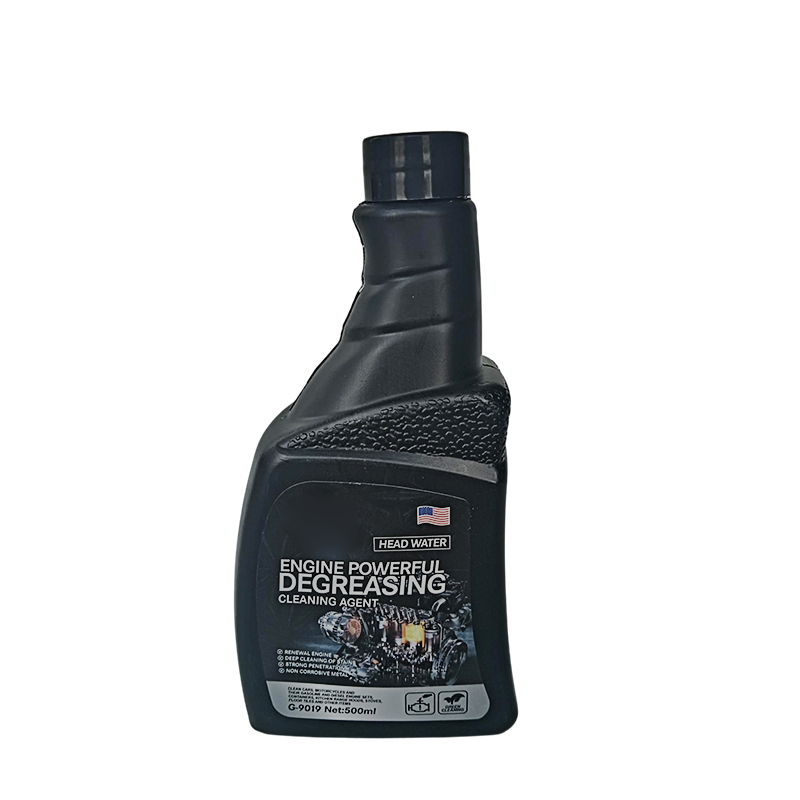
A purchasing manager once sent us a competitor's quote for a custom aerosol can filling project — 45,000 filled cans of a water-based degreaser, 65mm tinplate, four-color print, a unit price 14% below ours. What justified the gap, he wanted to know. The answer fit on one page. His quote carried no water-bath leak test, no stated fill-weight tolerance, and a paperwork line that read "SDS: on request." For a water-based formula heading into an unlined can, those three omissions were not savings. They were a delay waiting for a port.
Here is the position, and the rest of this article is the evidence: in a custom aerosol can filling service, the price per can is the least informative number on the page. It prices the thinnest possible version of the job. What decides your real landed cost is the scope behind the number — propellant matched to the formula, a valve gasket that survives the solvent load, crimp dimensions checked on schedule, a leak bath between filler and carton, and paperwork that exists before the container books. Buyers who read quotes this way pay once, at the factory. Everyone else pays twice.
What a Filling Quote Should Itemize — and Where Thin Quotes Go Quiet
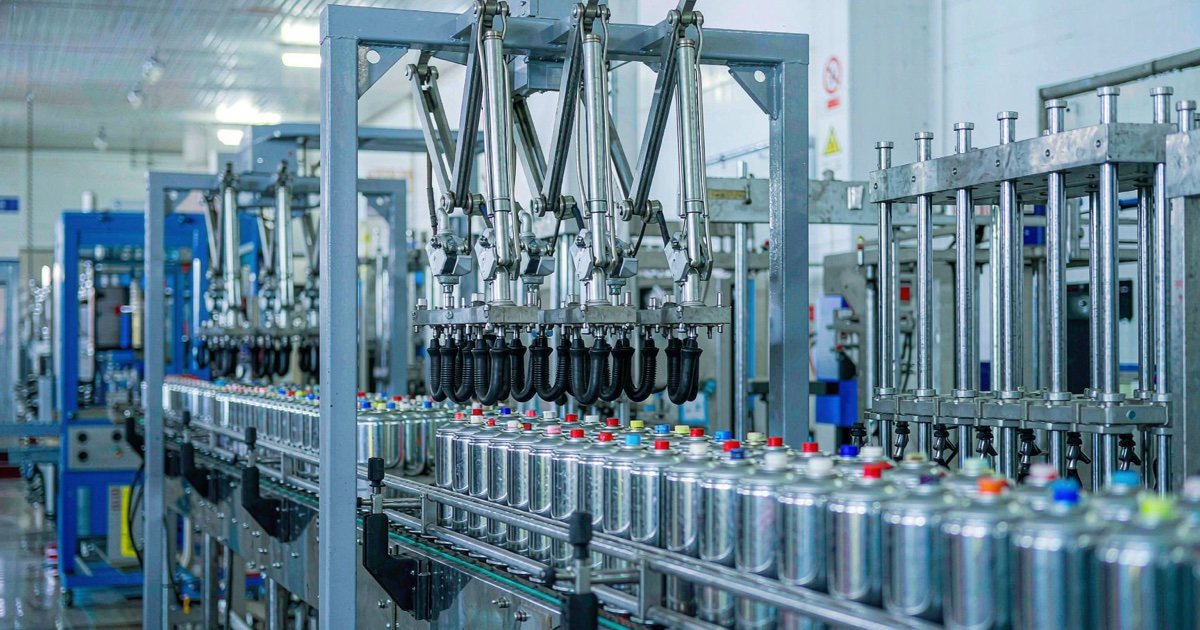
Filling sounds like a single operation. On the floor it is a chain: cans printed or sourced, valves assembled and inserted, concentrate blended, propellant charged, cans crimped, weights verified, leak-tested, batch-coded, cartoned, palletized, documented. A serious quotation walks that chain line by line. A thin one collapses it into two words — "filling and packing" — and the collapse is where every later disagreement lives. A custom aerosol can filling service is, in the end, a chain of named operations, and its quote should read like one.
Three lines separate a real quote from a cheap one faster than any price comparison:
- Testing. Does the price include 100% checkweighing and a hot-water leak bath, or are those "available on request"?
- Materials responsibility. Who buys the cans, valves, and actuators — and who carries the risk if a mounting cup lot arrives out of spec?
- Documentation. Is the SDS written for your formula, or is "on request" a template with your product name pasted in?
That quote failed all three. To the buyer's credit, he added the missing scope into his comparison and asked every supplier to re-quote against a written specification. The cheap number stopped looking cheap the moment it had to name its own checkpoints.
Propellant Choice Sets the Physics — and Most of the Price
Propellant is not an ingredient. It is the engine of the can, and it drives most of the technical decisions that follow.
LPG blends — propane and isobutane — remain the workhorse of the industry. They are inexpensive, they hold spray pressure steady from the first press to the last, and they suit most solvent-based products: degreasers, lubricants, insecticides. DME (dimethyl ether) is the water-miscible option; it is what makes water-based formulas sprayable at all. Its famous side effect is gasket swelling — DME attacks many standard nitrile gaskets, so the valve specification has to change with the formula. HFC-134a shows up where non-flammability matters, in dusters and technical products, though sourcing it now means planning around the EPA's phasedown of HFCs under the AIM Act (EPA, Hydrofluorocarbons program). Compressed air and nitrogen — the zero-VOC route that eco-positioned brands keep asking about — spray softer and lose pressure as the can empties, which pushes cost back into can and valve design.
Method matters as much as chemistry. Pressure filling — concentrate in first, valve crimped, propellant gased under the cap or through the valve — is the default for LPG and DME systems. Cold filling, where product and propellant are chilled and filled together, is reserved for formulations that cannot tolerate the warmth of gassing. Neither method is superior. The buyer's question is narrower: does the plant run the method your formula needs, and is the gassing weight verified per can rather than estimated per batch? A custom aerosol can filling service that runs all four propellant systems can quote your formula as written; one that runs only two will quote your formula as it wishes it were.
Can and Valve Compatibility: Where Water-Based Formulas Go to Die
The can and the valve form a pressure vessel and a metering device, and they have to be specified together.
Tinplate is the export default — cheap, printable, strong. Aluminum earns its keep where weight or a premium feel matters. The part buyers never see is the interior. A solvent-based degreaser can live in bare tinplate. A water-based formula will find every pore in an unlined can and start rust from the inside out, which is why water-based work needs an epoxy-phenolic interior lining, verified with a porosity test rather than assumed.
Then the gasket. Nitrile is the standard seating material; DME and aggressive solvent loads ask for butyl or PTFE-faced gaskets. A wrong gasket does not fail on the line — the can passes every test that day — it fails six months later as a slow leaker on a warehouse shelf in another hemisphere, which is the most expensive possible place to learn about elastomer chemistry.
At the top of the can sits the V57 mounting cup, the de facto standard, and this is where spray character gets engineered: the stem orifice sizes the delivery rate, the vapor tap changes how the last third of the can sprays, and the actuator decides mist, foam, or stream. Ask for spray-pattern photos and grams-per-second figures measured on the physical sample. A promise is not a spray pattern.
Pressure closes the loop. Fill weight and propellant load have to sit inside the can's pressure class, and a can destined for a summer warehouse roof carries a different specification than a demo sample on a desk in January.
The QC Steps a Filling Quote Should Name Out Loud
Quality control is where aerosol contract filling quotes hide their money, because QC is mostly invisible in a unit price. Ask any supplier to name its in-process checks, then compare answers:
- Crimp depth and crimp diameter, gauged on a schedule and logged — the most predictive single measurement in aerosol filling, because a bad crimp leaks no matter how good the gasket is.
- 100% checkweighing, with under- and over-fill cans rejected automatically; fill-weight tolerance stated as a number, typically ±1–2% of target depending on fill weight.
- A hot-water leak bath around 50°C through which every can passes, or a validated vacuum- or pressure-decay alternative.
- Actuation and spray-rate sampling taken from the running line, not just from the lab.
- Retention samples from each batch, held through the shelf-life period.
- A final AQL inspection before loading — AQL 1.5 for major defects is the common export standard — with third-party inspection (SGS, Bureau Veritas, or your own inspector) welcomed rather than merely tolerated.
A plant that names its checkpoints will hand you the records with the shipment. A plant that prices "QC" as one word is handing you a discount with conditions attached.
Paperwork: The Filling That Happens After the Line
Everything above happens before the container closes. What happens after is paperwork, and it is where the difference between a filling plant and a filling broker becomes structural. It is also where aerosol contract manufacturing separates from a filling-only arrangement: a contract manufacturer owns the formula development, the can printing and the document set, so the specification and the paperwork come out of one building instead of two.
The document set for a filled aerosol order reads like this: an SDS written from the actual formula, a UN 1950 classification, UN performance packaging certification for the specific can-and-valve combination, GHS-compliant labels for the destination market, the dangerous goods declaration, and — depending on destination — SASO conformity for Saudi Arabia or REACH positioning for the EU. The sequence matters: classification before packaging certificates, certificates before the DG declaration, all of it before the forwarder books space. A container of UN 1950 aerosols without its certificate chain does not negotiate with a port. It waits.
This is also why the filling line and the document set should come from the same building. When the plant runs the line, the batch number on the certificate matches the batch number stenciled on the cartons, because both were born on the same shift. Documents assembled afterward, by someone two companies away from the line, match nothing.
A Field Checklist for Comparing Filling Quotes
Use the table below the next time two quotes disagree by more than 10%. The unit price is the last row that matters.
| Quote line | Ask this | What a bad answer sounds like |
|---|---|---|
| Fill weight | "What tolerance, measured how?" | "Standard tolerance." No number, no method. |
| Leak test | "Is a 100% hot-water bath included?" | "Available on request." |
| Crimp QC | "Crimp depth and diameter — logged?" | "The machine controls it." |
| Gasket | "Which elastomer against my solvent load?" | "Standard valve, don't worry." |
| Interior lining | "Epoxy-phenolic for water-based? Porosity-tested?" | "Our cans are good quality." |
| Propellant | "Gassing weight verified per can?" | "We charge by the batch." |
| DG paperwork | "UN packaging certificate in whose name?" | "SDS on request." |
| "Proof on metal before the mass run?" | "Artwork included." Vague. |
Eight rows, one minute each. The quotes that survive this table deserve your deposit.
How Midwel Runs Custom Aerosol Can Filling Projects
The short version of what stands behind an order: our manufacturing partner's plant covers 98,796 m² with annual capacity above 200 million cans, and it has been producing aerosol cans since 2003 — formula development, can printing, valve assembly, filling, QC and dangerous-goods documentation all sit under one roof. The plant counts 25 major OEM clients and ships to more than 50 countries, with 13 core markets served on repeat, and its range covers three categories — from engine degreasers and carburetor cleaners to household aerosol sprays built on water-based systems, across the industrial maintenance line.
Because the line and the lab share a building, the questions in this article get answered by the people who run production: propellant compatibility tested against your formula before the deposit (about five working days), gasket and lining selections written into the spec sheet, crimp and fill-weight records attached to each batch. Commercial terms stay boring on purpose — MOQ 20,000 units per SKU, sampling in 7–15 days, mass production in 15–20 days — and the certification file (ISO 9001, ISO 14001, UN, CE, DOT, RoHS, SASO, REACH) goes out with the first quotation rather than after the first objection.
Recent runs cover the spread: a Gulf distributor's line built to SASO requirements, a European private-label brand that went from approved sample to shelf in six weeks on a REACH-ready file, and a Southeast Asian automotive aftermarket program built around carburetor and electronics cleaners. Different markets, same discipline — the scope is written down before the price is. The OEM/ODM process page shows how a project moves from brief to bulk; the practical version is shorter. Send the formula or the product brief, the target market, and the annual volume you are planning, and the custom aerosol can filling quote comes back itemized.
Questions Buyers Ask Before Committing a Filling Order
Do you offer contract filling aerosol projects if I already have a finished formula?
Yes. Send the SDS and a composition disclosure, and we run compatibility checks against the can, interior lining, gasket, and valve — typically about five working days — then produce a sample fill for your approval. MOQ for a toll filling aerosol order starts at 20,000 units, and the specification lock works exactly as it does for a full OEM project.
What can sizes and fill weights can your lines handle?
Standard tinplate diameters run from 45mm to 70mm, with volumes from 150ml to 750ml. Fill weight follows the formula's density and the can's pressure class; give us the target net weight and we confirm the achievable tolerance in the written specification before sampling starts.
How do you confirm my formula will not corrode the can or swell the gasket?
Three stages: gasket coupons soaked in the formula at high temperature; filled lined-can sections stored and inspected for coating failure; then finished samples held in a 50°C oven and compared against controls before mass production is scheduled. If any stage fails, the valve or lining specification changes — before your deposit, not after your container.
Is leak testing included in the filling price or quoted separately?
Included, as standard. The hot-water bath and 100% checkweighing sit inside the unit price, not beside it as options, and third-party inspection is welcomed. If another supplier lists leak testing as an extra, budget for it anyway — it is the one line item that never saves money by being removed.
Before You Sign the Next Quote
That buyer's second email was shorter than his first. It said: "Send me the spec sheet your quote is based on." That reflex — demanding the scope, not just the number — is the whole habit that separates a clean container from an expensive one.
If you are comparing a custom aerosol can filling service right now, send us the formula or product brief, the target market, and your planned volumes. We will return an itemized quotation you can put next to any competitor's: get a free quote, or request a sample first and judge the fill on your own desk. The same team runs an aerosol OEM export programme end to end, so the tenth container is built on the specification the first sample locked.
FAQ: Custom Aerosol Can Filling
What should an aerosol filling service quote itemise?
The can and valve specification it is based on, the propellant, filling and crimping, leak testing, hot-water bath and checkweighing, labelling and packaging. A quote that names only a price per can has left the scope undefined.
Why does propellant choice change the price so much?
The propellant sets the internal pressure, the spray performance and the dangerous goods classification, and it is one of the largest single line items in the formulation cost. A cheaper propellant can change both the spray quality and the classification of the finished can.
Is leak testing included or charged as an extra?
At Midwel the hot-water bath and 100% checkweighing sit inside the unit price rather than beside it as options. If another supplier lists leak testing as an extra, budget for it anyway. It is the one line item that never saves money by being removed.